Birds nesting in gutters might seem harmless, but a nest can block the flow of rainwater, cause overflow, and even damage your roofline.
One small nest can send water spilling down your walls and into your loft. The good news is that there are simple, humane ways to keep birds out.
This guide explains why gutters attract birds, what the law says about moving nests, and how to stop birds nesting in gutters for good.
Why Birds Love Your Gutters
To a bird, a gutter is the perfect home. It sits high up, away from cats and foxes.
It shelters the nest from wind and rain. Twigs, leaves, and moss are right there for building, and there is often a handy gap behind the fascia board to tuck into.
In spring, starlings, sparrows, and pigeons are the most common gutter nesters in the UK.
Know the Law Before You Touch a Nest
In the UK, all wild birds and their nests are protected by the Wildlife and Countryside Act 1981.
Once a nest is being built, or it holds eggs or chicks, it is against the law to intentionally damage or destroy it. Heavy fines can follow, even if you did not mean to break the law.
So if you find an active nest in your gutters, leave it alone. Most young birds leave the nest within a few weeks, and it is often abandoned soon after.
Once the nest is empty, you can remove it and put deterrents in place.
How to Stop Birds Nesting in Gutters
1. Remove Old Nests at the Right Time
Outside the breeding season, which runs roughly from March to August, check your gutters for old nests. Make sure the nest is empty first.
Wear gloves and a mask, because nests carry mites, fleas, and bacteria.
Once the nest is out, give the gutter a proper clean so no scent or leftover material draws birds back next spring.
2. Fit Gutter Guards
Gutter guards are mesh or brush covers that sit over the top of the gutter.
They let rainwater in but block leaves, twigs, and nesting material. For most homes, this is the best long-term fix. Our gutter guard installation service fits guards that suit your gutter type, and they also cut down how often your gutters need cleaning.
3. Use Spikes and Visual Deterrents
Bird spikes stop birds landing on the gutter edge, while reflective tape, old CDs, and decoy owls can scare birds off for a while.
These work best when you put them out just before nesting season starts, so the birds never get comfortable. The catch is that birds get used to static deterrents, so move them around every week or two to keep them guessing.
4. Move Food and Water Away
Birds nest where food is easy to find. If you feed birds, move feeders well away from the house, or take them down during nesting season. Keep bin lids sealed, clear up fallen fruit, and fix dripping taps or blocked drains that give birds a regular drink.
5. Seal Gaps in the Roofline
Small gaps behind fascias, soffits, and around downpipes make cosy nest holes. Walk around your home and look for openings.
A roofer or gutter specialist can seal them so birds have nowhere to tuck in.
What Not to Do
Plenty of quick fixes do more harm than good. Steer clear of these:
- Don’t remove an active nest. It is illegal, and the eggs or chicks inside may not survive.
- Don’t use traps, glue, or harmful chemicals. They are cruel and often against the law.
- Don’t block a nest entrance while a bird is still inside.
- Don’t leave it until water overflows. A blocked gutter can cause damp walls and rotten roof timbers.
When to Call a Professional
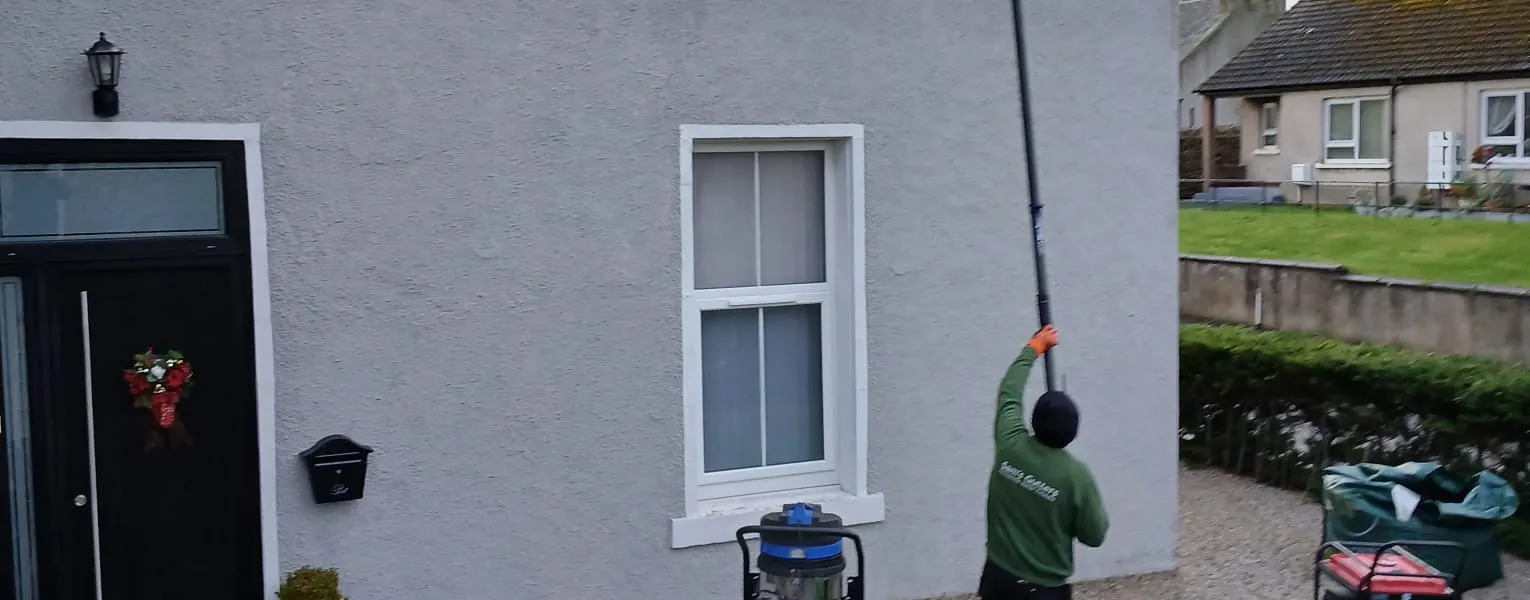
If nests keep coming back, or your gutters are too high to reach safely, it is time to get help. A yearly gutter cleaning visit removes the twigs and moss birds look for, while professional gutter guards stop them settling in the first place.
If a nest has already caused sagging or leaks, our gutter repairs team can sort that too.
FAQ
Is it illegal to remove a bird’s nest from my gutter?
Yes, if the nest is active, which means it is being built or holds eggs or chicks. The Wildlife and Countryside Act 1981 protects all wild birds in the UK.
Once the nest is empty and abandoned, you are free to remove it.
What time of year do birds nest in gutters?
Mainly between March and August, though some species start earlier or carry on later. Late winter, before breeding season begins, is the best time to clean your gutters and fit guards.
Do gutter guards stop birds from nesting?
Yes. Guards remove the flat, sheltered space birds need and stop them stuffing nesting material into the gutter. For most homes they are the most reliable long-term deterrent.
How do I know if a bird is nesting in my gutter?
Watch for birds flying in and out of the same spot, chirping coming from the gutter, or twigs poking out of the downpipe.
You may also spot nesting material washing out during heavy rain.
Can a bird’s nest damage my gutters?
Yes. Nests block the flow of rainwater, which leads to overflow, sagging gutters, and water damage to your walls and roofline.
Droppings can also stain and wear down the gutter over time. In the worst cases, the weight of a soaked nest can pull a gutter away from the wall completely.
Need help?
Birds nesting in gutters is common in the UK, but you do not have to put up with it.
Wait until any active nest is empty, clear out the old material, then fit gutter guards or deterrents to keep birds away for good.
Acting early in the year saves you from blocked gutters and costly repairs later on.
If you would rather leave it to the experts, Sam’s Gutter Cleaning can clear your gutters and fit guards that keep birds out across North East Scotland. Get in touch through our contact page for a free, no-obligation quote, or book online in just two minutes.
Ready to Get Your Gutters Cleaned?
Book your free quote today and keep your home protected from water damage.
Get Free Estimate